Government
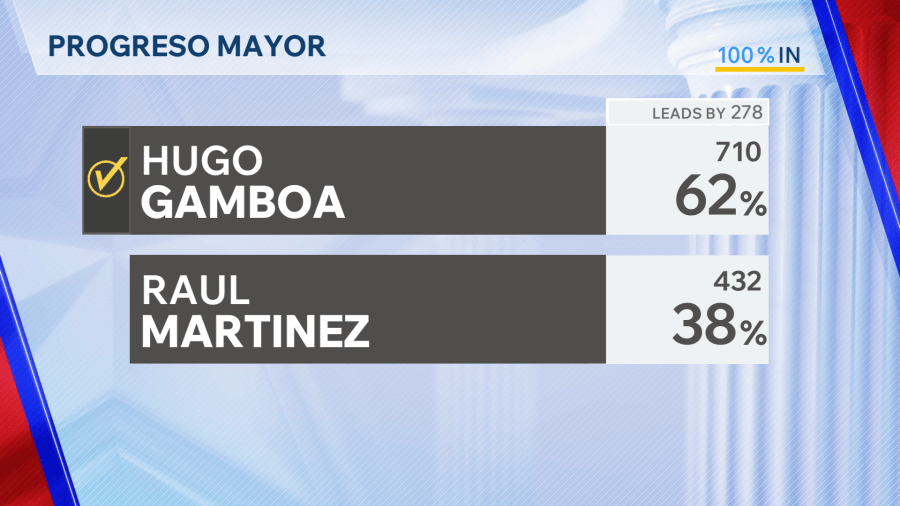
Hugo Gamboa re-elected as Progreso mayor
By Maya Alvarado
Advertisement · Why this ad?
Manuel Juarez has spent over 5 years in local journalism, focusing on political reporting after graduating from the University of Houston. His previous experience includes covering city council meetings for the Victoria Advocate, where he developed a deep understanding of local government processes.
More from Manuel →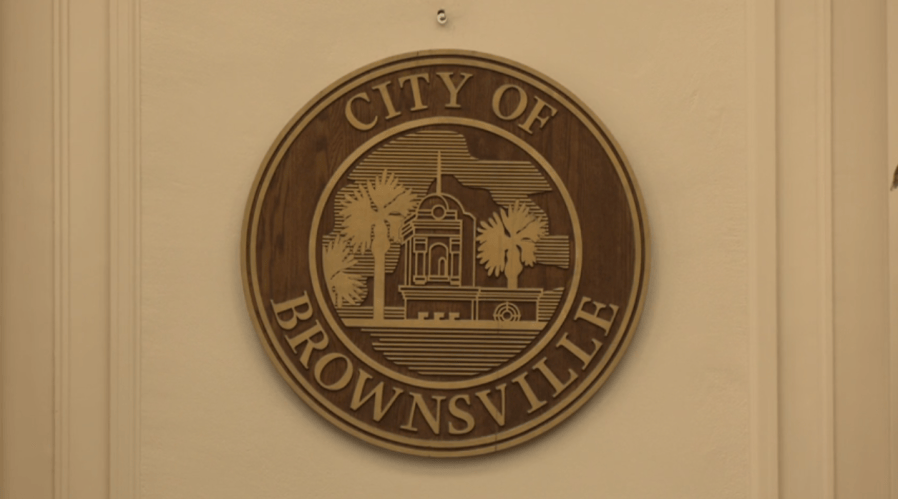
As the sun dipped below the horizon in Brownsville, casting a warm glow over the city, a sense of urgency filled the air at the City Commission meeting. Residents packed the chamber, voicing their concerns over the rapid influx of data centers in their community. On Wednesday evening, the commission made a pivotal decision, passing a 90-day moratorium on the processing of data center applications. This moment, steeped in local sentiment and broader implications, marks a significant turning point for Brownsville as it navigates the intersection of technology and community.
The Brownsville City Commission convened on Wednesday to finalize a decision that would pause the acceptance and processing of data center applications for a period of 90 days. This moratorium is set to take effect immediately, beginning Thursday. It comes in response to growing concerns among residents regarding the environmental and infrastructural impacts of these facilities. During the meeting, city officials emphasized the need for a thorough assessment of the potential consequences that such developments could have on the community.
Commissioner John Doe, who spearheaded the initiative, stated, "We need to ensure that our growth as a city does not come at the expense of our residents' quality of life. This moratorium will give us the necessary time to evaluate the situation comprehensively." The decision reflects a growing trend among municipalities across the nation, where local governments are increasingly scrutinizing the rapid expansion of technology infrastructure.
Residents voiced their apprehensions during the public comment portion of the meeting, highlighting issues related to noise, traffic, and environmental degradation. Many expressed fears that the proliferation of data centers could lead to a strain on local resources and infrastructure. Maria Gonzalez, a local business owner, remarked, "We want to welcome new businesses, but not at the cost of our community's health and safety. We need to find a balance that protects our families and our future."
These sentiments were echoed by several community members who raised concerns about the potential for increased traffic congestion and noise pollution that data centers could bring. Local resident Javier Ramirez noted, "This is a residential neighborhood. The last thing we need is more trucks and machinery disrupting our daily lives. We have children and families here who deserve peace and quiet." Such voices reflect a broader anxiety about the rapid pace of change in a city that has historically been characterized by a slower, more community-oriented pace.
The environmental implications of data centers cannot be overlooked. These facilities consume vast amounts of energy, often sourced from non-renewable resources. As Brownsville positions itself as a forward-thinking city, the commission's decision to pause data center applications aligns with a broader commitment to sustainability. Local environmental advocates have applauded the moratorium, viewing it as a necessary step toward ensuring that any future developments are environmentally responsible.
"It's crucial that we take a step back and assess the environmental impact of these data centers," said environmental activist Laura Martinez. "We have an opportunity to set a precedent for responsible growth that prioritizes the well-being of our community and the planet." This sentiment resonates deeply in a region already grappling with the effects of climate change and resource depletion.
Moreover, the concern over water usage is particularly pertinent in Brownsville, where water scarcity is becoming an increasingly pressing issue. With data centers requiring significant amounts of water for cooling systems, residents are worried about the potential for exacerbating existing water shortages. Local environmental groups are advocating for the city to consider alternative energy sources and water-saving technologies in any future proposals.
The moratorium is not merely a pause; it represents an opportunity for Brownsville to engage in meaningful dialogue about its future. City officials plan to conduct a series of community forums during the moratorium period, inviting residents to share their thoughts and concerns regarding data centers and their potential impacts. This approach aligns with a growing trend in local governance, where community engagement is prioritized in decision-making processes.
Commissioner Doe emphasized the importance of these forums, stating, "We want to hear from our residents. Their input is invaluable as we navigate this complex issue. Together, we can develop a strategy that supports economic growth while also protecting our community's interests." This collaborative approach reflects a commitment to transparency and accountability in local governance.
In addition to community forums, the city plans to collaborate with experts in urban planning and environmental science to evaluate the long-term implications of data center development. This will involve studying successful models from other cities that have effectively balanced growth and sustainability, ensuring that Brownsville can learn from the experiences of others.
Brownsville's decision to impose a moratorium on data centers is part of a larger narrative unfolding across the nation. As cities grapple with the implications of rapid technological advancement, many are taking a step back to reassess their development strategies. The rise of data centers has sparked debates about economic growth versus environmental sustainability, making it a pressing issue for local governments.
In Texas, cities like Austin and Dallas have faced similar dilemmas, balancing the desire for technological innovation with the need for responsible growth. The challenge lies in finding a middle ground that fosters economic development while safeguarding the interests of residents. Brownsville's proactive stance may serve as a model for other municipalities navigating this complex landscape.
Moreover, the implications of this moratorium extend beyond local governance. They reflect a growing consciousness among communities about the importance of sustainable technology and the need for responsible corporate practices. As more cities adopt similar measures, there is potential for a significant shift in how technology companies approach their developments, prioritizing community well-being over rapid expansion.
The impact of the moratorium on Brownsville's community cannot be understated. By prioritizing resident concerns and engaging in open dialogue, the city is fostering a sense of trust and collaboration among its citizens. This decision reflects a commitment to building a community rooted in strong families and authentic relationships.
As the moratorium progresses, residents will have the opportunity to shape the future of their city. The forums will serve as a platform for discussing not only the challenges posed by data centers but also the potential benefits of technological innovation when approached responsibly. The community's voice will play a crucial role in determining the direction that Brownsville takes in the coming months.
Ultimately, the decision to impose a moratorium on data centers is a reflection of Brownsville's dedication to its residents and their well-being. It is a reminder that progress should not come at the expense of community values and quality of life. As the city moves forward, it will be essential to strike a balance that honors both economic growth and the needs of its families.
In conclusion, Brownsville's 90-day moratorium on data centers is not just a temporary measure; it is a significant step toward fostering a community that values sustainable growth and the voices of its residents. As the city embarks on this journey, it stands as a beacon of hope for other communities grappling with similar challenges.
By Maya Alvarado

By Manuel Juarez
By Ana Garcia

By Elena Ruiz